
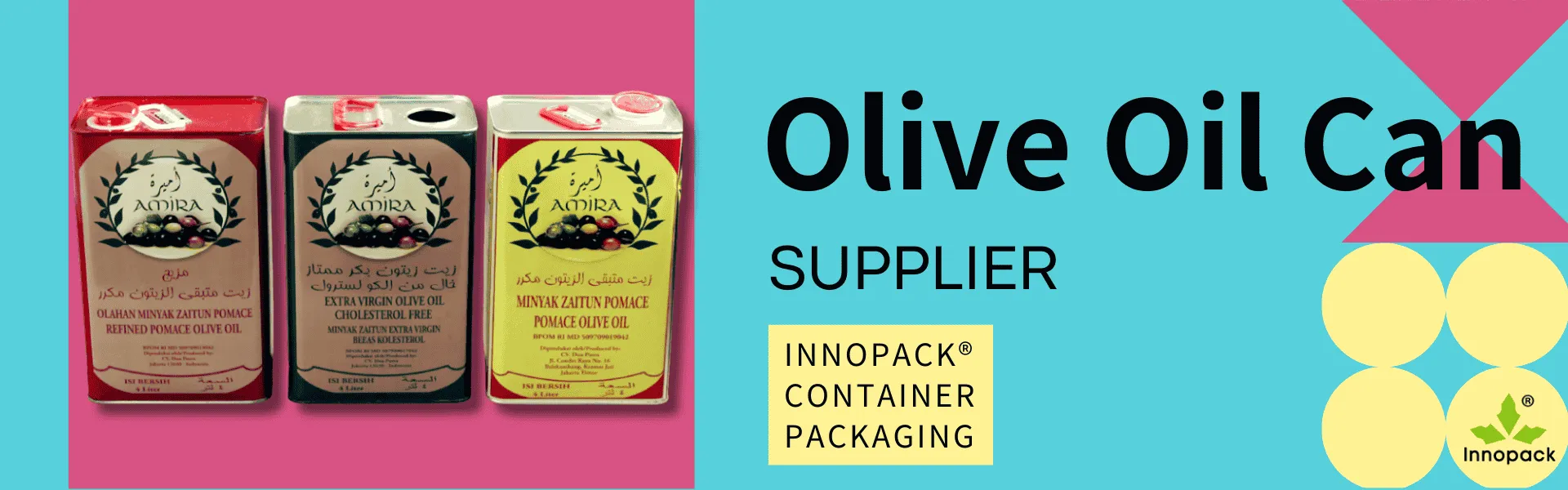
The packaging market is evolving rapidly, and an increasing number of companies are utilizing metal containers for their edible oil products. Metal cans are a wonderful way to protect goods and align with growing concerns about the environment.
The article explores why tinplate metal cans are becoming increasingly common for packaging cooking oils and how our manufacturing capabilities support this trend. Key Benefits of Metal Cans for Cooking Oil Packaging
Superior Protection
- Blocks Light and Oxygen Completely
- Extend Shelf Life Naturally
- Impermeable metal material
Metal cans are an ideal way to preserve edible oils when they are packaged. Tin-plated steel blocks 100% of light and oxygen, which are the two primary things that make oil go bad.
This practice is different from transparent plastic or glass material oil packages, which can allow small amounts of oxygen or light to pass through.
Photo-oxidation is a chemical reaction that breaks down fatty acids when they are exposed to light. This makes food taste and smell bad.
Metal tin-plated cans naturally extend shelf life, which means a lower requirement for artificial preservatives. They also keep the oil’s real flavor, aroma, and nutritional content, so clients can enjoy the same high quality from the first pour to the last drop.
For brands, this means fewer complaints and returns from degeneration. Tin can packaging wins more satisfied clients and a quality imaged product that stands out on the shelf.
For customers, it means being confident that every oil metal can is enjoyable and beneficial for their health, as they expect.
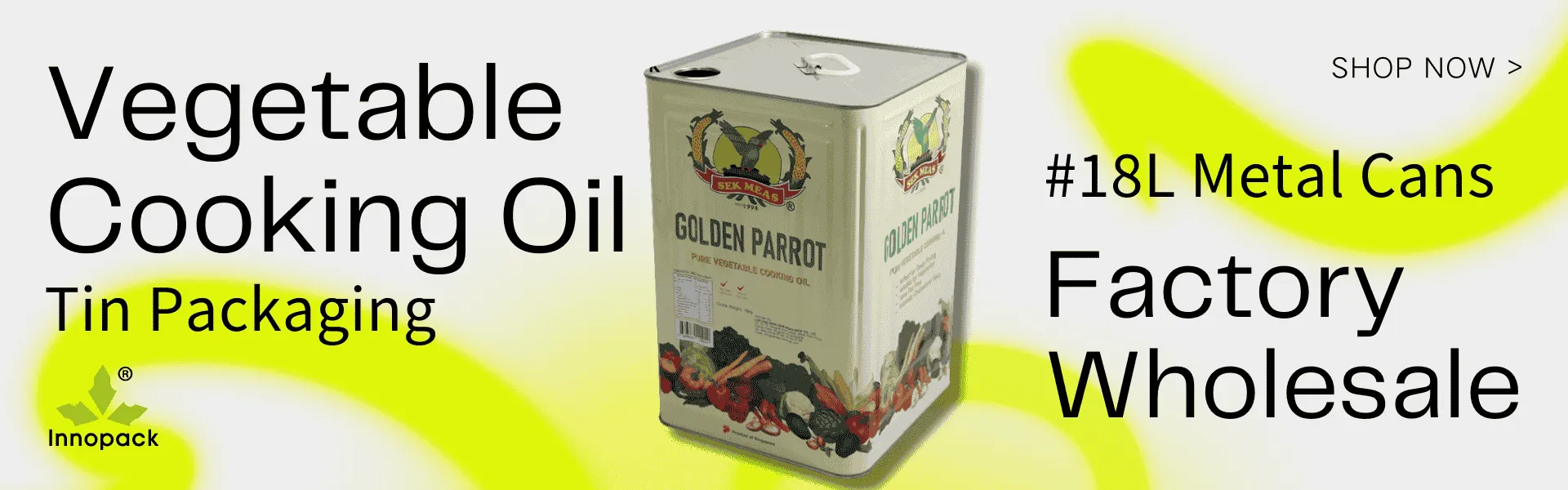
Environmentally Friendly
- Made from recyclable materials.
- Can be utilized several times.
- Less environmental impact.
We make our oil cans out of tin-plated steel, which is a thin sheet (0.2 mm-0.3 mm) of high-quality steel with a layer of “tin” on top. The result gives you the strength and durability of steel along with the corrosion resistance of tin, which makes it perfect for preserving edible oils safely.
Why are tin-plated steel cans recyclable?
Because it has magnetic properties, it’s easy to tell tinplate from other waste while recycling.
High recovery rate: Tinplate can be recycled many times without losing its value.
“Due to the different recycling processes, they are defined differently for each material. For packaging, the new method results in some far-reaching changes. According to the Implementing Decision, the recycling rates are as follows: tinplate 84.5%, aluminum 62.4%, plastic 48.4%, and glass 80.3%.” (Source: “Tinplate remains ahead in recycling rates” by “The Metal Packager,” February 26, 2024)
Recycling tinplate saves raw materials and cuts CO₂ emissions by a lot compared to making new steel from ore.
Why Are Tin-Plated Steel Cans Reusable?
Our cans are easy to reuse because of their precise open-spout system:
42mm REL Plastic Flexible Spout Caps with Premium Telescopic Cover for Metal Tin Cans
Is a easy-pour snap-in cap spout lets you pour without spilling, making it ideal for both home and business use.
Screw Cap, another common metal tin cap to secure sealing top keeps good from becoming dirty, oxidizing, or leaking between uses.
Either a plastic or metal cap is a strong construction can withstand repeated handling, cleaning, and refilling without bending or rusting.
Perfect for customers who buy oil in bulk and prefer to refill rather than discard containers.
These cans last longer since they can be used more than one time. This cuts down on the demand for single-use packaging and lowers the amount of waste overall.
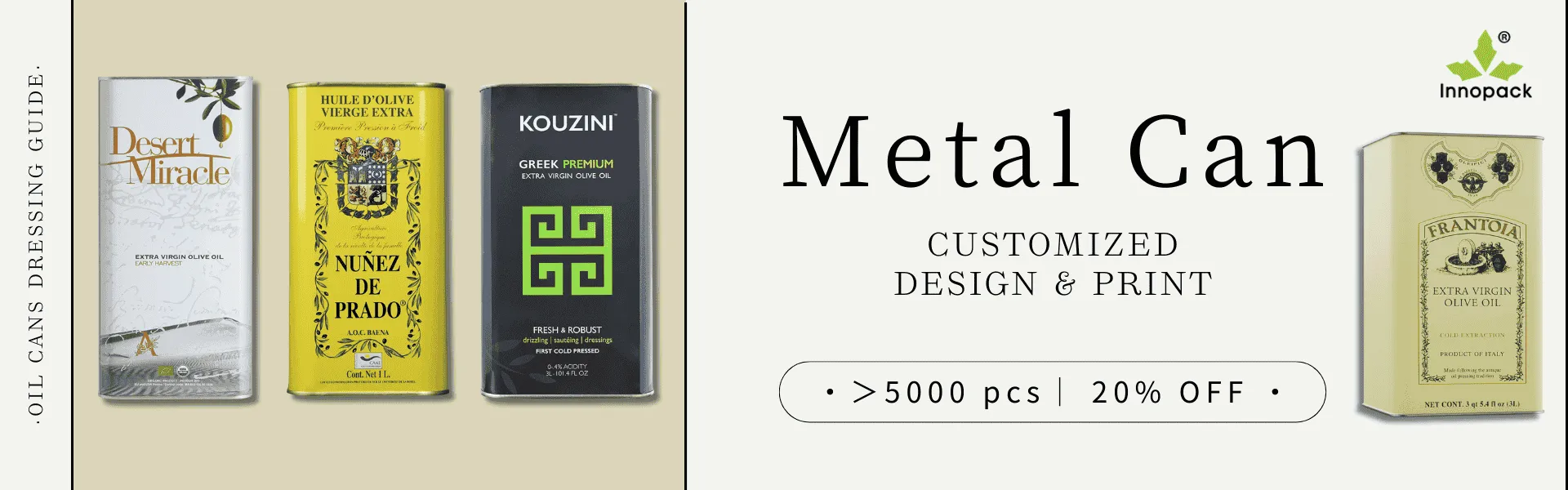
Enhanced Brand Appeal
- Custom designs make products stand out.
- High-quality appearance attracts customers.
- Various printing options available for branding
When it comes to cooking oil, tin cans, especially tin-plated steel, appear more expensive and well-made than glass and plastic. Here’s why:
360° design full surface: You can print bright colors, metallic accents, and complicated patterns on tin cans all the way around the edges.
Glass is very easy to break and, on the other hand, can only have labels or shrink sleeves on it. “Metal Can” creates a 360-degree brand image that is visible from every angle on the shelf.
Metallic sheen and texture: The inherent shine of tinplate offers designs a rich, shiny look that instantly gives off quality and innovation. Plastic seems useful, and glass looks attractive, but it might look “flat” unless it has expensive embossing or special coatings on it.
(Tip: metal cans are easier and cheaper for embossing decoration than glass and plastic.)
Shape versatility: F-style rectangular cans, tall slender tins, and rounded corners all have unique shapes that make them stand out from other types of typical bottles. Manufacturing limits make it harder to make glass and plastic in different shapes.
Cultures and authenticity: In the market for olive oil and specialized cooking oils, tins remind people of a Mediterranean artisan tradition that appeals to people who want realness and high quality.
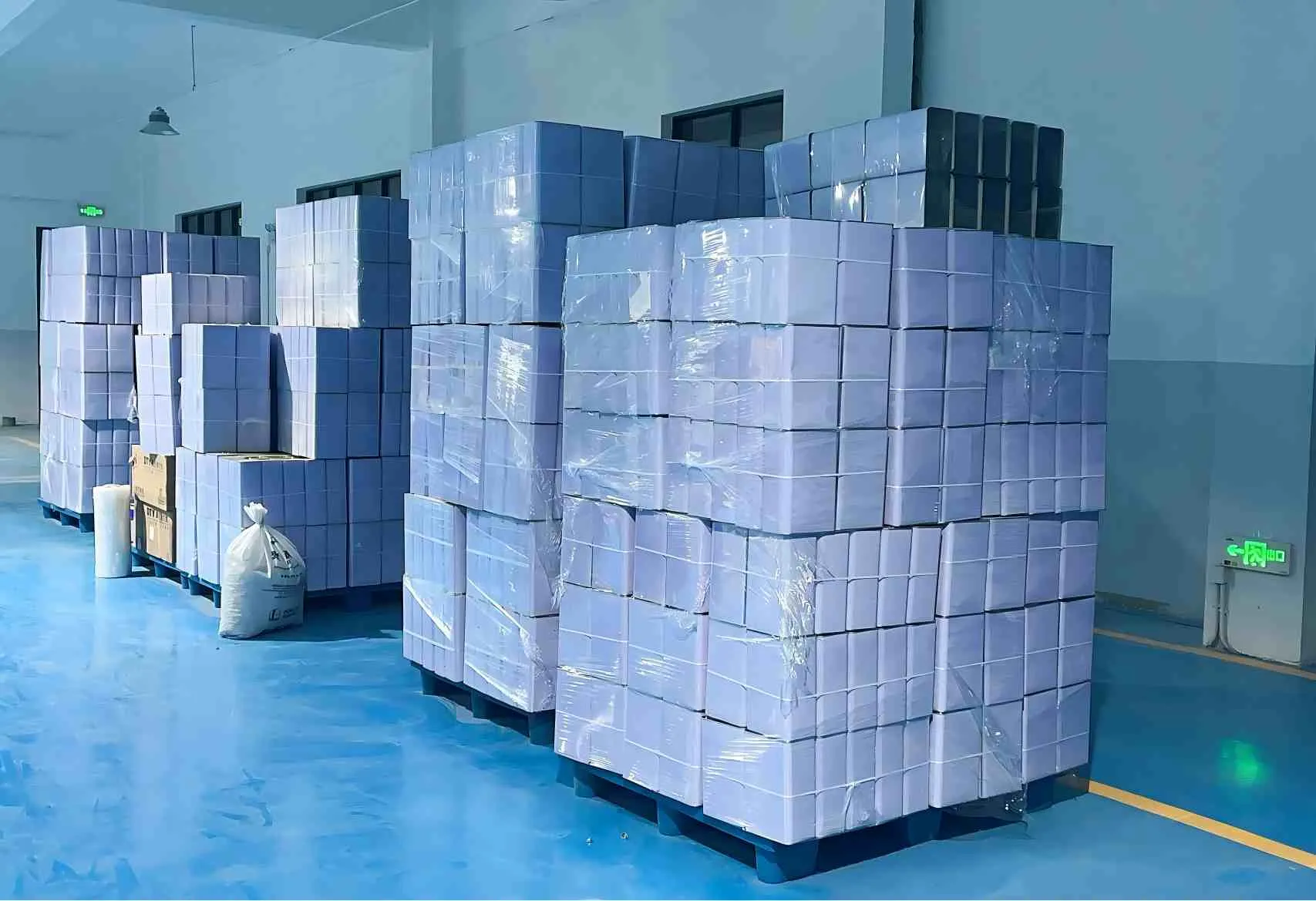
(Innopack® white F-style tin metal cans are palletized tacking for shipping)
Innopack® provide the following printing on Oil Cans:
- CMYK Offset Lithography
- Spot Color Printing
- Metallic & Specialty Inks
- Embossing / Debossing
- Protective & Decorative Coatings
What cooking oil are suitable for packaging in tinplate can?
Innpack® recommends using oil tins packaging for cooking oil which include:
- Peanut Oil
- Sesame Oil
- Canola Oil
- Avocado Oil
- Vegetable Oil
- Coconut Oil
- Olive Oil
- Castor Oil
Metal cans are the best choice for oil products since they preserve them, last a long time, and look good. Our knowledge in production guarantees a steady supply with customized solutions. Welcome to check our Tin Cans Family or Call us now to talk about your oil packaging needs or ask for samples.
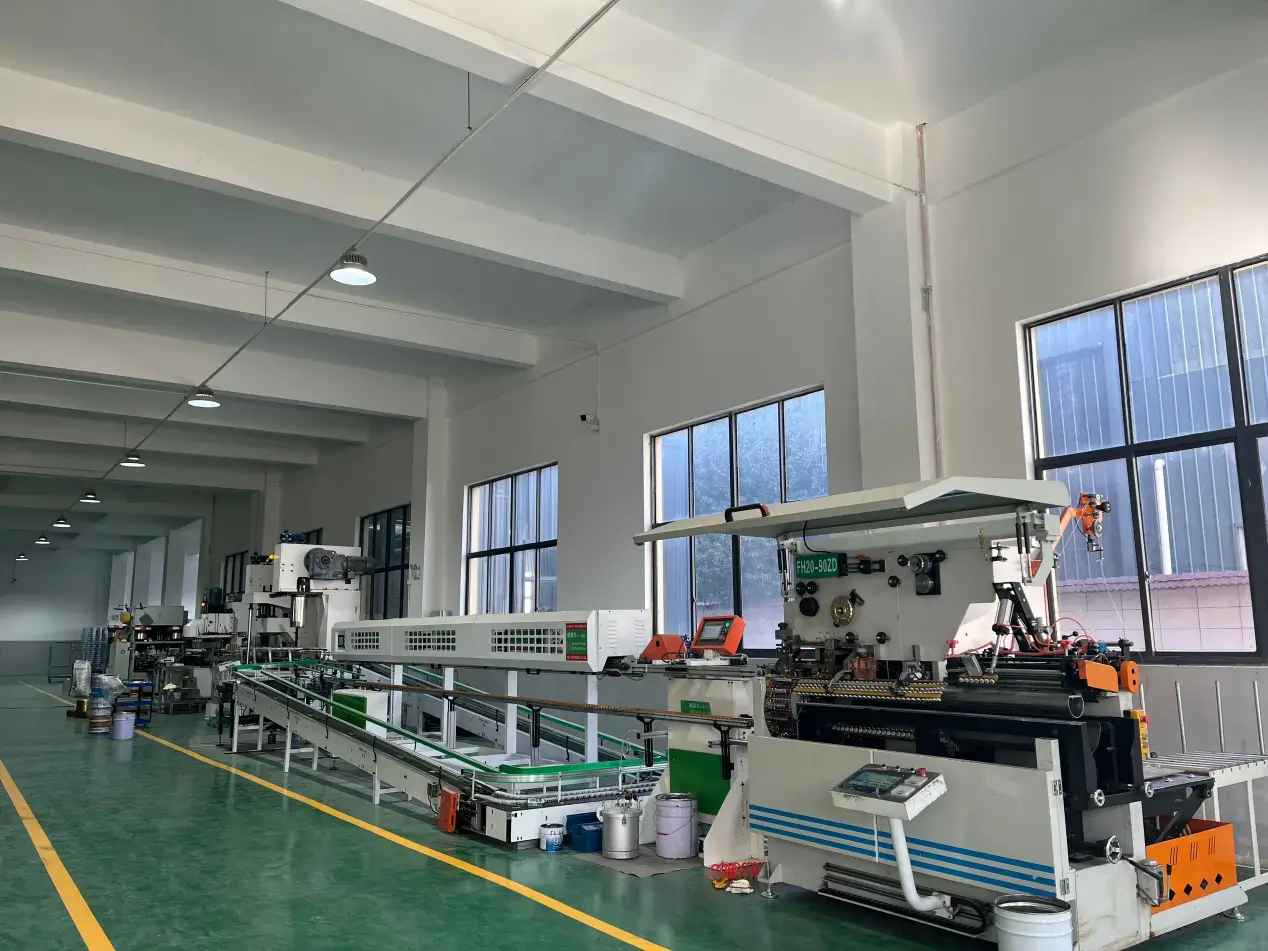
( advanced metal cans production machines )